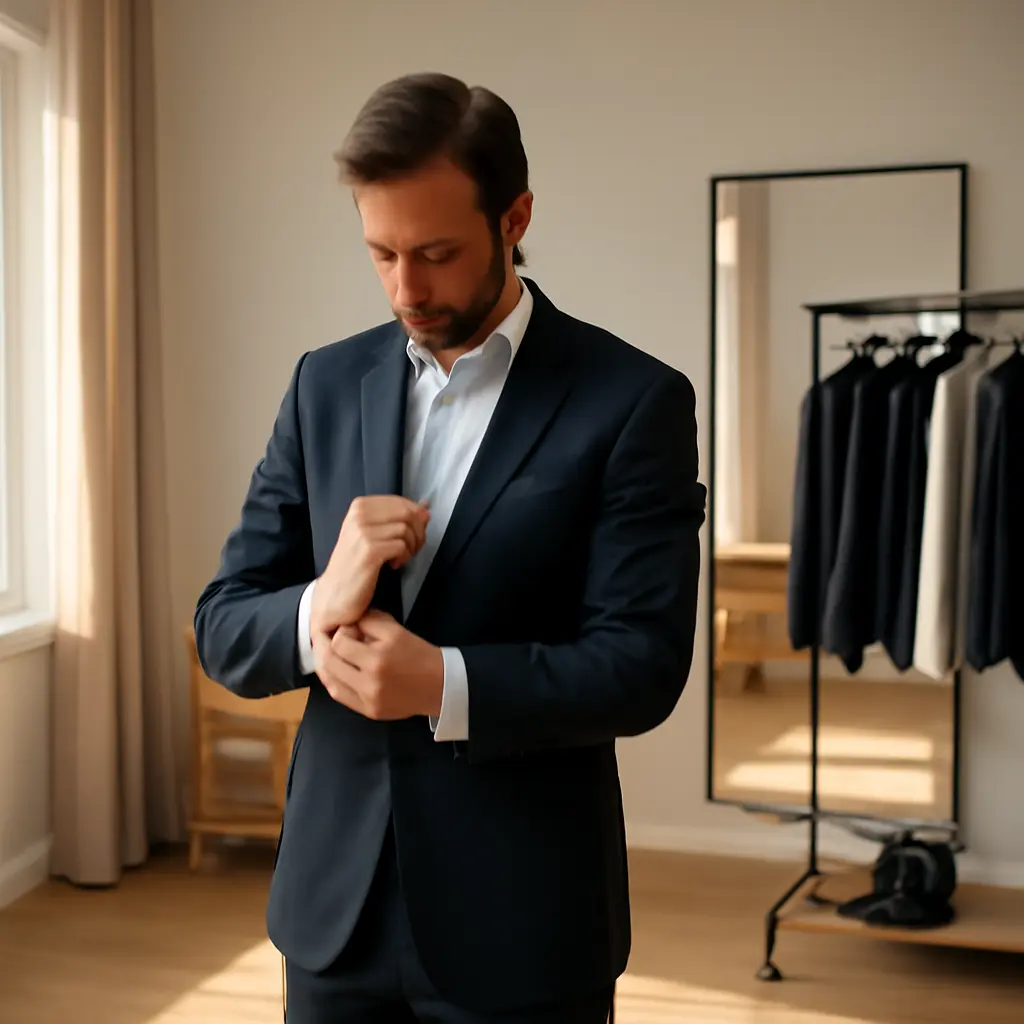
A casual wardrobe refresh is the process of making everyday clothes feel more useful and current by working with what you already own, then adding only the pieces that fill genuine gaps. Rather than replacing everything, start with a closet review, identify reliable outfit combinations, and use fit, care, and a few well-chosen additions to improve them. This practical approach matters: the U.S. Environmental Protection Agency estimates that 11.3 million tons of textiles went to U.S. landfills in 2018, a reminder that extending the useful life of clothing can reduce waste as well as spending. Below, we look at how to assess a wardrobe, create more combinations, make targeted updates, and care for clothes so the refresh lasts.
Refresh a casual wardrobe by auditing what you own
A wardrobe audit is a structured review of clothing to determine what fits, what gets worn, what needs repair, and what is missing. It is the first step in a low-waste refresh because it replaces guesswork with a clear view of the clothes already available. The U.S. Environmental Protection Agency’s textile data show why keeping usable garments in circulation is relevant: in 2018, 17 million tons of textiles were generated in the United States, and 11.3 million tons were landfilled.
Sort by condition, fit, and actual use
A useful audit separates clothes into keep, repair, reconsider, and responsibly pass on. Keep pieces that fit comfortably and suit your routine; set aside items needing a missing button, minor tailoring, or stain treatment. Reconsider garments that have not been worn because of a specific obstacle, such as an awkward fit or a lack of matching basics. If an item is clean and in good condition but no longer serves you, donation or resale may extend its life, though local organizations’ needs and acceptance rules vary.
Identify wardrobe gaps before shopping
A wardrobe gap is a missing item that prevents existing clothes from making complete, comfortable outfits. Write down the problem in concrete terms: “a lightweight layer for cool mornings” is more actionable than “more clothes.” Check whether the gap can be solved by repairing, tailoring, or restyling something already owned. The Ellen MacArthur Foundation’s work on circular fashion emphasizes keeping products and materials in use; applying that principle at home means using and maintaining garments before buying replacements.
Build more outfits from a casual wardrobe with versatile combinations
Versatility is the ability of a garment to work in multiple outfits and situations. It depends less on owning a large number of items than on how well pieces coordinate in color, shape, and level of formality. A capsule wardrobe is one version of this approach: a compact selection of compatible clothes intended to create many combinations. There is no universal item count; the useful measure is whether the selection supports the wearer’s real activities and climate.
Choose a practical color palette
A color palette is a limited group of hues that work together across tops, bottoms, shoes, and layers. Begin with colors already present in frequently worn clothes, then add one or two accent shades if desired. For example, navy, denim, white, and olive can support everyday combinations while a brighter shirt or accessory adds contrast. The goal is not to make every item match, but to reduce the number of pieces that can only be worn once or with one specific outfit.
Use outfit formulas and a simple wardrobe map
An outfit formula is a repeatable combination, such as straight-leg jeans, a simple top, and a casual jacket. Formulas make getting dressed easier while leaving room for variation in color, texture, and accessories. Photograph combinations that work or list them in a phone note. A basic wardrobe map might pair each frequently worn bottom with several tops and at least one suitable layer; this makes underused pieces and genuine gaps easier to spot without treating any fixed ratio as a rule.
Make targeted updates to a casual wardrobe
A targeted update is a purchase or alteration chosen to solve a specific wardrobe problem. It differs from a broad shopping trip because each decision is tied to a documented need, expected use, and compatibility with clothes already owned. The U.S. Bureau of Labor Statistics’ Consumer Expenditure Survey tracks household spending on apparel and related services, underscoring that clothing is part of ongoing household expenditure. A written list and spending limit can help make that expenditure intentional.
Prioritize fit, comfort, and cost per wear
Fit and comfort determine whether a garment is likely to leave the closet. Before buying, check movement, sitting comfort, fabric feel, and whether the item works with at least a few existing pieces. Cost per wear is the purchase price divided by the number of times an item is worn. It is an estimate rather than a guarantee, but it can clarify why a durable, frequently used basic may be better value than a cheaper item suited to only one occasion.
Consider secondhand, tailoring, and repairs
Secondhand shopping, tailoring, and repair are alternatives to buying new when a wardrobe needs a refresh. Resale and thrift stores can be useful for trying a different color, layer, or silhouette at a lower price, while alterations can improve the wearability of clothes already owned. Repairing a seam or replacing a button may restore an otherwise useful garment. Inspect secondhand items for condition and care requirements, and compare repair costs with the garment’s expected future use.
Maintain a casual wardrobe to extend its useful life
Clothing care includes washing, drying, storing, and repairing garments in ways suited to their materials. Maintenance protects the time and money invested in a wardrobe and can help keep favorite pieces wearable longer. The Federal Trade Commission’s Care Labeling Rule requires care instructions on many apparel items sold in the United States, making garment labels a useful starting point for choosing an appropriate cleaning method.
Follow care labels and store clothes thoughtfully
Care labels indicate recommended cleaning and handling methods, though the specific instructions depend on the fabric and garment construction. Check pockets, close fasteners, and separate items as needed before washing; avoid unnecessary high heat when the label and fabric allow a gentler option. Store clean, dry clothing in a way that suits its shape: fold knits that may stretch on hangers, and hang structured pieces with adequate space. Small habits make it easier to see and use what is already in the closet.
Review the wardrobe seasonally
A seasonal review is a brief check of what is working as weather, schedule, or personal needs change. Rotate suitable layers into reach, note pieces that need repair, and record any recurring outfit problem before purchasing anything. A simple chart can track each garment’s condition, last worn date, and next action; this makes patterns visible without requiring a complicated inventory system. Seasonal review also helps distinguish a genuine need from a short-lived shopping impulse.
Conclusion: Refresh a casual wardrobe with deliberate choices
A casual wardrobe refresh begins with an audit, builds on versatile outfit combinations, and uses targeted updates only where a real gap remains. Fit, repair, secondhand options, and thoughtful care can all help existing clothes work harder. With textile waste and household spending both relevant considerations, the most useful next step is simple: review your closet, make a short list of outfit problems, and try solving them with what you own before shopping. For further reading, consult the EPA’s textile materials data, the Ellen MacArthur Foundation’s circular-fashion resources, and the FTC’s clothing care-label guidance.
Sources: U.S. Environmental Protection Agency, Textiles: Material-Specific Data, https://www.epa.gov/facts-and-figures-about-materials-waste-and-recycling/textiles-material-specific-data; Ellen MacArthur Foundation, A New Textiles Economy: Redesigning Fashion’s Future, https://www.ellenmacarthurfoundation.org/a-new-textiles-economy; U.S. Bureau of Labor Statistics, Consumer Expenditures, https://www.bls.gov/cex/; Federal Trade Commission, Care Labeling Rule, https://www.ftc.gov/legal-library/browse/rules/care-labeling-rule