
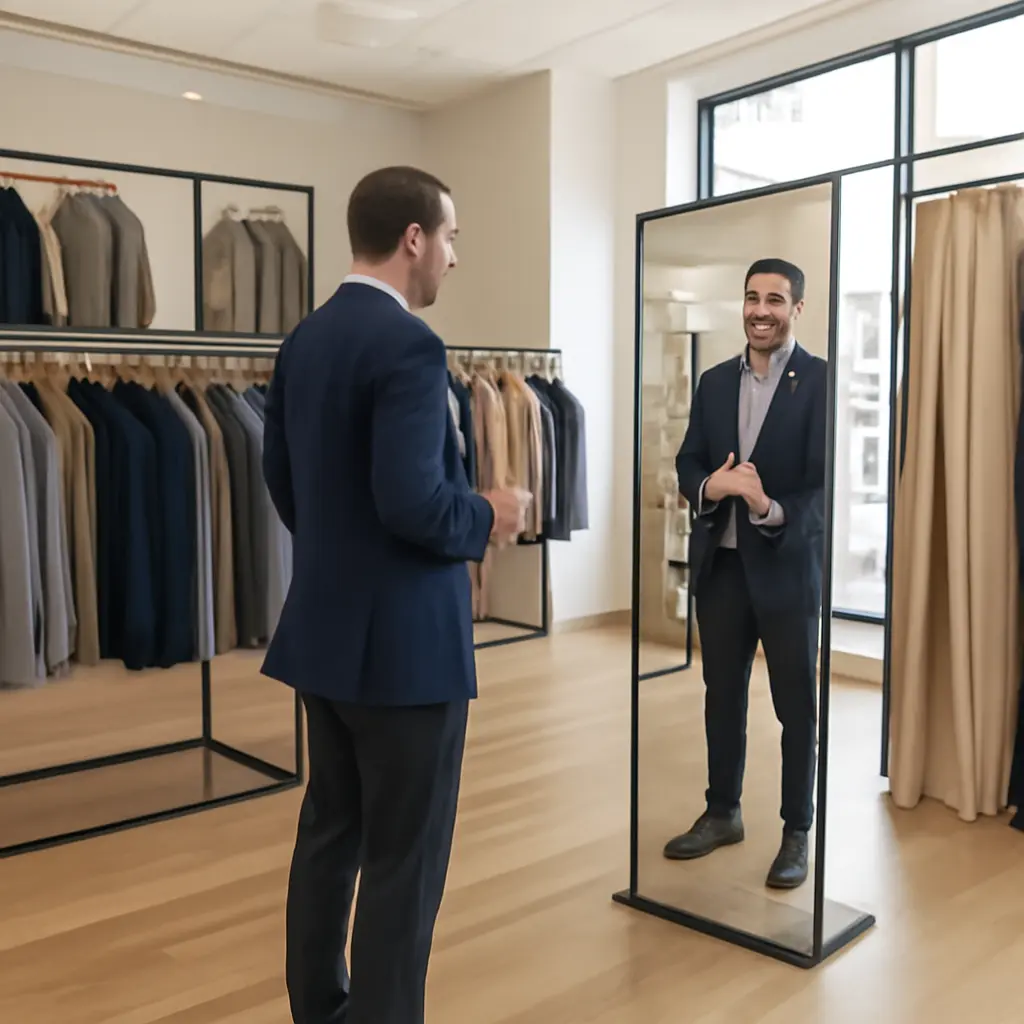
A blazer is a structured, usually tailored jacket worn as a separate piece rather than only as part of a matching suit. Building a first blazer collection means choosing a small number of versatile jackets that work with your wardrobe, climate, and budget—not buying every style at once. Start with a well-fitting navy blazer, then add a neutral or textured option and, if your needs justify it, a lighter seasonal style. This approach reflects a practical wardrobe principle: prioritize repeat wear, fit, and fabric before trend-driven variety. The sections below explain blazer types, fit, materials, outfit use, and a step-by-step buying plan.
Blazer wardrobe building: definition and core principles
A blazer wardrobe is a coordinated set of standalone jackets selected to cover different occasions and seasons. Unlike a suit jacket, a blazer is not designed to be worn only with matching trousers; it can pair with chinos, jeans, skirts, dresses, and separate tailored pants. Retail and style terminology is not perfectly consistent, so compare construction, fabric, and intended use rather than relying on the product label alone.
For a first collection, the most useful measures are cost per wear, compatibility with existing clothes, and whether the jacket fits comfortably when fastened and in motion. The U.S. Bureau of Labor Statistics’ Consumer Expenditure Surveys track household spending on apparel, but they do not prescribe a wardrobe budget. Set a personal spending limit and treat any cost-per-wear estimate as a planning tool: divide the purchase price by the number of times you realistically expect to wear the blazer.
Blazer, suit jacket, and sport coat
A blazer is a standalone tailored jacket, often associated with solid colors such as navy, while a suit jacket belongs to a coordinated suit and is made to match its trousers. A sport coat is also worn separately and is commonly offered in more varied textures, patterns, and casual fabrics. These distinctions overlap in modern retail, so check whether a jacket is sold with matching trousers and whether its fabric and details suit your intended outfits.
A small collection beats redundant purchases
A useful first collection covers distinct jobs rather than repeating the same color and weight. A dark, relatively smooth blazer can serve work and dressier occasions; a textured or lighter-colored jacket can make casual outfits feel intentional; and a seasonal option can address heat or cold. Before buying, identify at least three outfits you can make with the jacket using clothes you already own.
Blazer styles: choose a versatile first lineup
Blazer style describes features such as color, pattern, lapels, buttons, and pocket design. The best starting point is usually a style that fits your daily dress code and coordinates with the trousers, shirts, tops, and shoes you wear most. Treat the following categories as options to compare, not a compulsory shopping list.
Navy blazer: the dependable anchor
A navy blazer is a dark-blue separate jacket that pairs readily with gray, khaki, denim, white, and many patterned pieces. For a first purchase, consider a restrained design with moderate lapels, simple buttons, and little or no conspicuous branding. Navy is not automatically appropriate for every formal event, but it is a strong choice for smart-casual settings, many offices, dinners, and travel.
Neutral and textured blazers: add contrast
A second blazer can broaden outfit options through color or surface texture. Gray, brown, olive, and muted tan are common alternatives; hopsack, subtle tweed, and other visible weaves add interest without relying on a bold pattern. Choose a shade that works with your existing bottoms. If most of your trousers are navy, for example, another navy jacket may offer less variety than gray or brown.
Seasonal and statement blazers
A seasonal blazer addresses a specific weather need: an unlined or lightly lined jacket for warm conditions, or a wool-rich textured jacket for cooler months. A statement blazer uses stronger color, checks, or distinctive details and is best added after the essentials are covered. Because a statement piece may coordinate with fewer clothes, test it against your actual wardrobe before purchasing.
Blazer fit: assess comfort, balance, and tailoring
Blazer fit is the relationship between the jacket’s dimensions and the wearer’s body, including the shoulders, chest, waist, sleeves, and length. A good fit looks balanced and allows ordinary movement without pulling, collapsing, or restricting the arms. Brand sizing varies, so use the size label only as a starting point and try the garment on with the kind of shirt or top you expect to wear beneath it.
Shoulders, chest, and closure
The shoulder line should sit close to your natural shoulder without a pronounced dent or an extension that droops beyond it. When the blazer is fastened, the fabric should not pull into sharp horizontal or diagonal lines across the chest or abdomen. You should be able to sit, reach forward, and move your arms comfortably. A button stance and closure should look balanced, but never force a jacket closed if it strains at the front.
Sleeves and jacket length
Sleeves should allow the shirt cuff or underlying layer to show in a controlled way, though the ideal amount depends on styling and garment proportions. Jacket length should balance your torso and intended outfit; a jacket that is extremely short or long can look disconnected from the trousers. Sleeve length and some body adjustments are often easier to alter than shoulder width, so prioritize a sound shoulder fit when comparing options.
Tailoring: know what can be changed
Tailoring adjusts a garment to improve how it sits on an individual. Common alterations include shortening sleeves, adjusting the waist, and, in some cases, changing the jacket length. The feasibility and cost depend on construction and the tailor. Ask for an alteration estimate before buying, especially if the garment is inexpensive or the required changes are extensive; a low purchase price can become poor value if substantial work is needed.
Blazer fabrics: match material to climate and use
Blazer fabric is the woven or knitted material that determines much of a jacket’s appearance, warmth, breathability, drape, and care needs. Fiber content matters, but so do fabric weight, weave, lining, and construction. Read the care label and consider your local climate and laundry routine instead of assuming that a particular fiber is always superior.
Wool and wool blends
Wool blazers are commonly chosen for their drape and suitability across many dressier settings. Lightweight wool can work in mild conditions, while heavier cloth and textured weaves provide more warmth. Blends may change price, feel, resilience, and care requirements. Check the label for fiber content and follow the manufacturer’s instructions; wool garments may require careful steaming, brushing, and occasional professional cleaning rather than frequent washing.
Cotton, linen, and warm-weather fabrics
Cotton blazers often have a more casual look and can be practical for everyday wear. Linen is valued for warm-weather comfort and its relaxed, naturally creased appearance. A linen jacket may wrinkle more readily than a smoother wool fabric, so consider whether that texture suits your workplace and personal style. Lightweight construction and partial lining can also affect comfort in heat.
Synthetic fibers and care trade-offs
Polyester and other synthetic fibers are often used alone or in blends to influence price, durability, wrinkle behavior, or ease of care. Performance varies by fabric and construction, so assess the garment itself rather than assuming all synthetics behave alike. Check whether the jacket feels comfortable indoors, holds its shape, and can be maintained in a way you are willing to follow.
Blazer outfits: build combinations for real occasions
Blazer outfits combine a standalone jacket with separate garments and accessories. A collection earns its place when each jacket works in several settings and with multiple pieces you own. For example, a navy blazer may pair with chinos for a relaxed office, dark jeans for a casual dinner, or gray trousers for a more polished event. Dress codes differ, so confirm expectations for interviews, ceremonies, and formal workplaces rather than assuming a blazer substitutes for a suit.
Work and smart-casual combinations
For a business-casual outfit, combine a restrained blazer with a collared shirt, knit top, or other workplace-appropriate layer and trousers that create clear contrast. For a more relaxed look, wear it with clean, well-fitting denim and simple footwear. The setting determines how formal the combination feels: a blazer with jeans is not equivalent to business attire in every office.
Dressier occasions and separates
For a dressier occasion, pair a blazer with tailored trousers in a complementary color and a shirt or top suited to the event. Avoid treating separate trousers as matching suit pants unless the fabric and color genuinely coordinate; near-matching shades can look like an imperfect suit. If an invitation specifies black tie or formal suit attire, follow that dress code instead of relying on a blazer.
A simple outfit-compatibility test
Before buying, list the jacket’s likely combinations: at least one work outfit, one casual outfit, and one dressier combination where relevant. Note which shoes and layers complete each look. If a blazer works only with one pair of trousers or requires several new purchases, it may be less versatile than a simpler option. A small wardrobe chart can make these gaps visible before money is spent.
First blazer buying plan: prioritize fit and value
A first blazer buying plan is a staged process for choosing a jacket that serves a clear purpose and fits the available budget. It reduces impulse purchases by separating essential needs from optional additions. No single collection suits everyone: occupation, climate, lifestyle, body shape, and personal preferences should guide the order of purchases.
Step one: define the job
Write down where you expect to wear the blazer, how often, and what clothing it must work with. A jacket for a cool office may need different fabric and structure from one intended for travel or summer events. If you need a jacket for a specific occasion, check that event’s dress expectations before shopping.
Step two: set a total budget
Set a spending ceiling that includes potential alterations, care, and any necessary accessories. Compare the expected cost per wear across options, but use realistic estimates: a costly jacket worn regularly may provide better value than a cheap one that remains in the closet. Do not assume that higher price guarantees superior fit, construction, or durability.
Step three: try, inspect, and compare
Try multiple sizes and, where possible, more than one brand. Inspect seams, lining, buttons, pockets, and the fabric’s recovery after handling. Sit and move in the jacket, then assess it with clothing similar to what you plan to wear. Ask about returns and alteration policies so you understand your options before purchase.
Step four: care for the blazer to extend its use
After wearing, air the jacket and use a suitable hanger that supports its shoulders. Brush off surface dust when appropriate, address stains promptly, and follow the care label. Avoid unnecessary cleaning, which can add cost and wear; the right care routine depends on fiber, lining, construction, and the manufacturer’s instructions.
Conclusion: build a blazer collection with purpose
A successful first blazer collection begins with the definition of a blazer as a standalone jacket, then uses style, fit, fabric, and outfit compatibility to determine what belongs in the wardrobe. A versatile navy option is a sensible anchor for many people, while a contrasting neutral or a climate-specific jacket can add useful range. Check fit before brand, account for tailoring and care in the budget, and choose each piece for outfits you will actually wear. Start by auditing your wardrobe and identifying the occasions your first blazer needs to cover.
Sources: U.S. Bureau of Labor Statistics, Consumer Expenditure Surveys, https://www.bls.gov/cex/; Encyclopaedia Britannica, “Blazer,” https://www.britannica.com/topic/blazer; The Metropolitan Museum of Art, “The Costume Institute,” https://www.metmuseum.org/about-the-met/collection-areas/the-costume-institute; University of Kentucky Cooperative Extension, “Clothing Care,” https://fcs-hes.ca.uky.edu/content/clothing-care


